
Sound Engineer
For Hire
Austin.
Thirty years at the desk. Bring your own system or rent ours — either way somebody who has heard this go wrong before is standing at front of house all night, fixing things before your audience notices them.
A system is a
tool, not a plan.
A PA left on a preset sounds acceptable for about the first twenty minutes — until the room fills with bodies that absorb high frequencies, the outdoor air cools and shifts, a singer changes microphone technique, and a band that soundchecked politely starts playing at real volume.
Everything about live sound is live. An engineer is not a luxury on top of a rental — they are the difference between gear that is present and sound that is good. And on the events where something genuinely breaks, they are the only reason it takes ninety seconds instead of ending the night.
Tune The Room
Every space has resonances and dead spots. The first hour is spent making the system fit the room it is actually in.
Ride The Show
Levels move all night as the room fills, the air changes and performers get comfortable. Someone has to follow it.
Kill Feedback
Before it happens, not after. Knowing which frequency is about to ring is the least glamorous, most valuable skill.
Run Monitors
Getting each performer what they need to hear, quickly, including the nervous vocalist at the top of the set.
Handle Failures
Cables die, batteries fail, a channel drops. With an engineer that is ninety seconds. Without one it is the story of your event.
Own The Handoffs
Ceremony to cocktails, DJ to band, act to act. The transitions are where events audibly fall apart.
With our rig,
or with yours.
Engineer + Our System
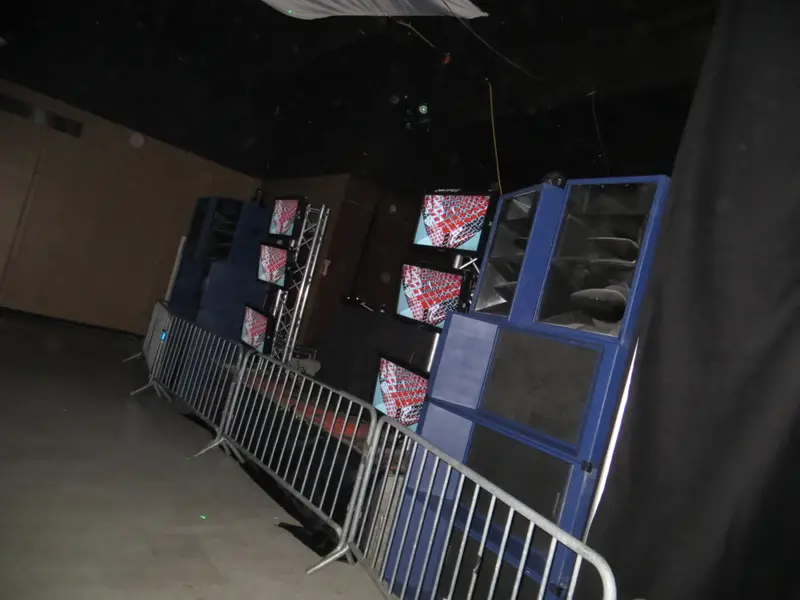
The full package. We deliver the Turbosound system, set it up, tune it and run it start to finish. One vendor, one point of contact, nothing to coordinate.
Engineer Only
You have a system — house PA, your own rig, or a rental from someone else. We show up and run it properly. Tell us the console and PA in advance.
Festival Crew
FOH and monitor positions crewed for multi-act days, with changeover management and advance work on input lists before the date.
Can I hire an engineer without renting your system?
Yes. Plenty of venues and events already own or have rented a system and just need somebody competent running it. Tell us what console and PA you have so we arrive knowing the desk.
What is the difference between FOH and a monitor engineer?
Front of house mixes what the audience hears. The monitor engineer mixes what the performers hear on stage. For one band on a short set the same person can do both. For multiple acts or a big stage, splitting the roles is what keeps everything on schedule.
Do I need an engineer if I just have a DJ?
Usually not — a DJ with their own controller and one stereo input is largely self-sufficient once the system is set up and tuned. The moment you add microphones, live instruments, multiple acts or a ceremony, the answer changes.
What does an engineer actually do during the event?
Continuously adjust to a changing room: a space that fills with bodies absorbing high frequencies, outdoor air that cools and shifts, performers who move and change technique, and levels that creep as the night goes on. Plus catching the failure before it becomes a silence.
Do you work festivals and multi-act shows?
Yes — that is where engineers matter most. Staged line checks during the previous set, a stage plot per act and labelled looms mean changeovers stay invisible and the schedule holds to curfew.
What about corporate events and conferences?
Also yes, and it is a different discipline: intelligibility over impact, wireless mic management, presenter changeovers and playback cues that have to hit on time. Quieter work, zero tolerance for a dropout.
Somebody
at the desk.
Send the date, the venue and what you are putting through the system.